

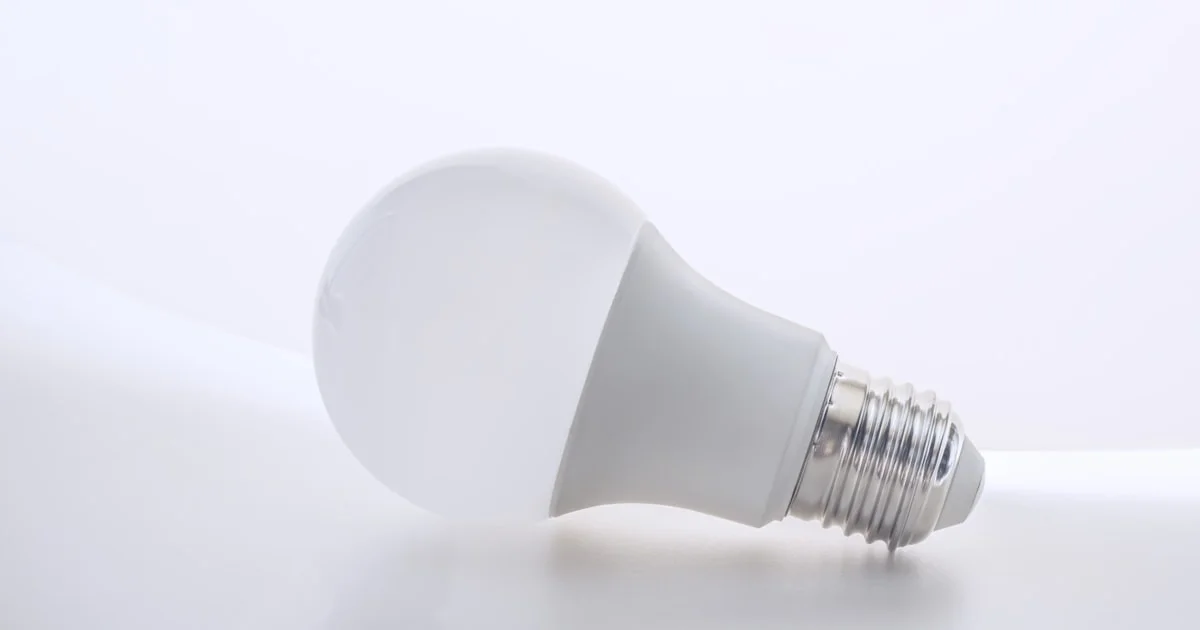
Smart lighting used to mean an expensive starter kit and a subscription-feeling app. That is not true anymore. The best budget smart light bulbs 2026 shoppers can find now cost about as much as a fancy dinner out, install in minutes, and work with the voice assistant you already own. This guide covers what actually matters when shopping on a budget, and where it is safe to cut corners.
Key Takeaways
- Wifi-only smart bulbs skip the cost of a separate hub and are the easiest entry point for most budget shoppers.
- Brightness is measured in lumens, not watts — look for at least 800 lumens to match a standard 60-watt incandescent bulb.
- Matter compatibility future-proofs your purchase across Alexa, Google Home, and Apple Home without buying separate ecosystems.
- Color-changing bulbs cost more than simple white/warm-white models, and many buyers do not end up using the color feature often.
- App reliability and firmware update history matter more long-term than a slightly lower price tag.
Best Budget Smart Light Bulbs 2026: The Short Answer
The short answer: for most budget shoppers, a wifi-only smart bulb with basic dimming, warm-to-cool white adjustment, and Matter support delivers the best value in 2026. Skip color-changing bulbs unless you specifically want mood lighting, since white-adjustable models cost noticeably less and cover the two features people actually use most — dimming and scheduling. Buy from a brand with a track record of app updates rather than the cheapest listing you can find, since a bulb that stops receiving software support becomes a dumb bulb within a year or two.
Budget smart bulbs in 2026 typically run standard A19 or BR30 shapes, fit the same sockets as regular bulbs, and pair with a smartphone app in under five minutes. No electrician or hub purchase required for the wifi-only models this guide focuses on.
What Makes a Smart Bulb “Budget” in 2026
A “budget” smart bulb usually means a single-bulb price rather than an expensive multi-bulb starter kit, skipping features like color-changing LEDs and built-in speakers. The core function — turning on and off from an app, setting schedules, and dimming — stays the same across price tiers, which is exactly why the budget category makes sense for most households.
What You Give Up at a Lower Price
Cheaper bulbs typically drop color-changing LEDs, have a slightly shorter rated lifespan, and rely on more basic apps with fewer automation options. For a bedroom lamp or hallway light, none of these trade-offs matter much. For a living room centerpiece fixture, you may want to spend more.
Brightness, Color Temperature, and App Control
An affordable smart bulbs review should always start with lumens, not watts, since smart bulbs use LED technology that produces far more light per watt than old incandescent bulbs. A 60-watt-equivalent smart bulb should list around 800 lumens; an 100-watt equivalent should list around 1,600 lumens.
- 2700K to 3000K: warm white, similar to a traditional incandescent bulb, good for bedrooms and living rooms.
- 4000K to 5000K: neutral to cool white, better suited to kitchens, bathrooms, and home offices.
- Adjustable white bulbs: let you shift between these ranges from the app, useful if one fixture serves multiple purposes throughout the day.
Check app reviews specifically for reliability complaints, not just star ratings. A bulb that disconnects from wifi weekly is a bigger headache than one with a slightly dimmer maximum brightness.
Wifi-Only Bulbs vs Hub-Based Systems
Wifi-only smart bulbs connect directly to your home network and need nothing beyond the bulb itself and a free app. Hub-based systems, common with some higher-end ecosystems, require a separate bridge device that plugs into your router, adding cost but often improving reliability and response speed for larger installations.
Matter and Why It Matters for Budget Buyers
Matter is a shared smart home standard that lets compatible devices work across Amazon Alexa, Google Home, and Apple Home without separate accounts or bridges for each ecosystem. Buying Matter-compatible bulbs protects your purchase if you switch voice assistants later, which is a real risk with budget bulbs tied to a single proprietary app.
For most households with fewer than ten smart bulbs, wifi-only Matter-compatible models are the simpler and cheaper path. Consider a hub only if you plan to expand to a whole-home system with dozens of devices.
Best Budget Smart Bulb Picks by Use Case
Rather than naming specific models that change stock and pricing constantly, here is how to shop by the room and use case that matters most to you.
- Bedroom lamps: prioritize a strong warm-white dim range and a scheduling feature for gentle wake-up lighting.
- Kitchen and bathroom: prioritize brightness and a cooler color temperature for task lighting.
- Living room: consider one color-changing bulb for accent lighting, paired with cheaper white bulbs for the main fixtures.
- Outdoor porch fixtures: confirm the bulb is rated for outdoor or damp locations before buying, since not all smart bulbs are.
A cheap smart lighting comparison across these use cases usually shows that mixing bulb types — a few color bulbs where you want them, plain white-adjustable bulbs everywhere else — saves more money than committing to one bulb type throughout the house.
Setting Up Your Budget Smart Home Lighting
Getting budget smart home lighting running smoothly starts with your wifi network, not the bulbs themselves. Most smart bulbs need a 2.4GHz wifi connection, which is a common gap for newer routers that default to 5GHz. Check your router settings before buying if you are not sure which band your network broadcasts.
Install one bulb first and test it with your preferred voice assistant before buying a house full of them. This catches connectivity issues early, when returning one bulb is far easier than returning ten.
Comparing Smart Bulb Options for Budget Shoppers
| Bulb Type | Best For | Main Trade-off |
|---|---|---|
| Basic white-only wifi bulb | Simple on/off and dimming needs | No color changing or tunable white |
| Tunable white wifi bulb | Rooms used for different tasks day and night | Slightly pricier than basic white bulbs |
| Full-color wifi bulb | Accent lighting and mood settings | Highest price per bulb in the budget tier |
| Hub-based bulb system | Large installations of 15+ bulbs | Upfront hub cost adds to the budget |
| Smart plug plus regular bulb | Lowest-cost partial smart lighting | No dimming or per-bulb app control |

Frequently Asked Questions
These are the questions budget smart lighting shoppers ask most often.
Do budget smart bulbs work without a hub?
Yes, most budget smart bulbs sold today connect directly to your home wifi network and do not require a separate hub. Hub-based systems exist mainly for larger installations or specific premium ecosystems.
Will smart bulbs work with my existing lamps and fixtures?
In most cases, yes. Standard A19 smart bulbs fit the same E26 sockets used in most US lamps and ceiling fixtures. Check the bulb shape and base size listed on the packaging before buying for enclosed fixtures, since some enclosed designs trap heat that shortens bulb life.
How much do budget smart bulbs cost to run?
Smart LED bulbs use a similar amount of electricity to standard LED bulbs, typically a few dollars per year in electricity per bulb at average use, since the smart features add negligible power draw compared to the LED itself.
Can I mix brands of smart bulbs in one home?
Yes, especially if the bulbs are Matter-compatible, since Matter is designed to let devices from different brands work within the same voice assistant app. Without Matter, you may need separate apps for each brand, which is more of an inconvenience than a technical problem.
Conclusion
Budget smart lighting in 2026 no longer means a compromise on reliability. Start with one or two wifi-only, Matter-compatible bulbs in the room where you will notice them most, confirm they work well with your voice assistant, and expand from there. A thoughtful, gradual approach saves money and avoids a drawer full of bulbs you never got around to installing.


