

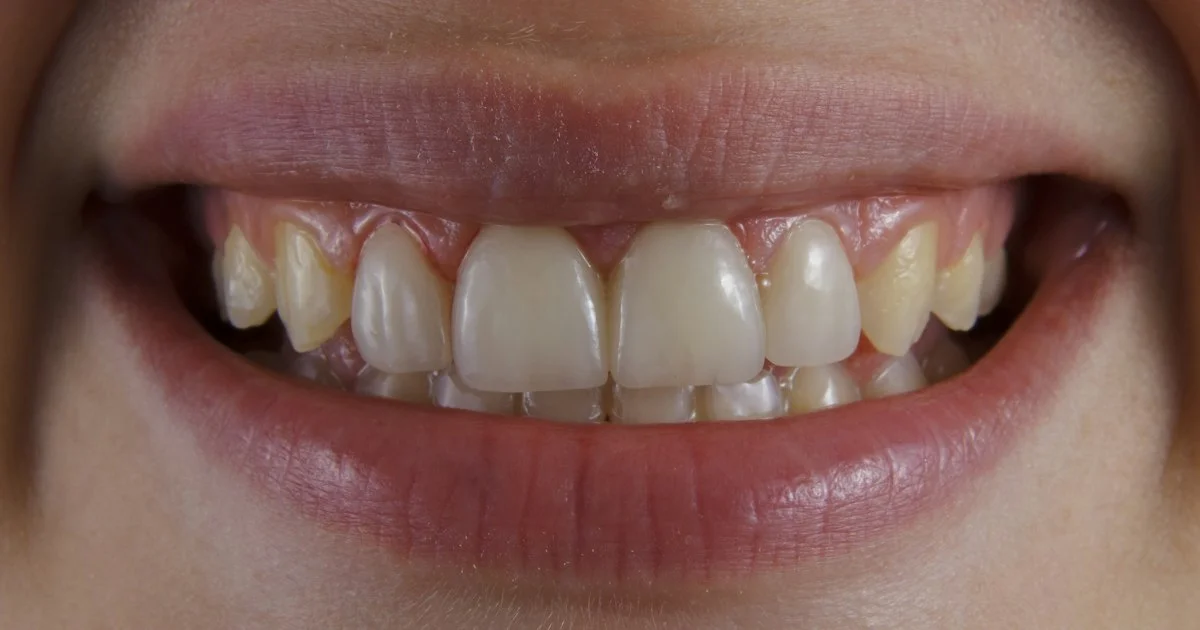
Teeth are not one color. Canines are naturally darker than the front incisors in almost every mouth, the edges are more translucent than the middle, and no product on the shelf changes that arrangement. Anyone shopping for the best teeth whitening kit 2026 is buying a shade shift across an uneven starting point, which is why two people using the same box get two different results.
This article is general information about consumer products, not dental advice. It draws on published material from the U.S. Food and Drug Administration and the American Dental Association. Tooth discoloration can have causes that whitening will not address, and persistent sensitivity, pain or bleeding gums are reasons to see a dentist rather than to buy a stronger kit.
What the label is and is not required to tell you
Whitening kits are sold as cosmetics, and that word has a precise legal meaning. The FDA defines cosmetics as “articles intended to be rubbed, poured, sprinkled, or sprayed on…the human body…for cleansing, beautifying, promoting attractiveness, or altering the appearance.” A product crosses into being a drug when it is “intended for a therapeutic use, such as treating or preventing disease, or to affect the structure or function of the body…even if it affects the appearance.” Claims, not ingredients, decide which side of the line a box sits on.
The consequence is the sentence every shopper should read once: “The law does not require cosmetic products and ingredients, other than color additives, to have FDA approval before they go on the market.” Responsibility sits with the seller instead. In the FDA’s words, “Companies and individuals who manufacture or market cosmetics have a legal responsibility to ensure the safety of their products.”
The Modernization of Cosmetics Regulation Act of 2022 tightened the paperwork behind that responsibility without turning it into pre-market approval. Manufacturers and processors “must register their facilities with FDA and renew their registration every two years.” A responsible person must list each marketed product with FDA, including its ingredients, and update annually. That person is “required to ensure and maintain records supporting adequate safety substantiation” and to report serious adverse events “within 15 business days.” Note what is still absent: “Neither the law nor FDA regulations require specific tests to demonstrate the safety of individual products or ingredients.” Registration means a facility is on a list, not that a kit was assessed.
This is where the ADA Seal of Acceptance earns its place. It is voluntary, and products carrying it have shown they “meet ADA Seal Program requirements for safety and effectiveness when used as directed.” On a product category with no pre-market review, a voluntary evaluation someone chose to undergo is the closest thing to an independent check.
How to shortlist the best teeth whitening kit 2026 in five steps
- Work out first if the discoloration sits on the tooth or inside it. Only the first kind responds to a kit.
- Look for the ADA Seal, then read what the box claims. A therapeutic claim on a cosmetic product is a warning sign, not a feature.
- Check the active ingredient and its concentration, and treat an unstated concentration as a reason to move on.
- Count the days of wear the kit actually contains against the result it advertises.
- Inventory your crowns, veneers and fillings before you buy anything.
What a tray-and-gel kit gives you
Trays hold peroxide gel against the whole tooth surface for a set period. Dentist-supplied take-home systems use gels whose “peroxide concentration…typically ranges from 10% to 38% carbamide peroxide,” while over-the-counter kits use “carbamide peroxide or hydrogen peroxide at lower concentrations than in-office or dentist-prescribed” treatments. A custom tray from a dental office fits the arch and keeps gel off the gums; a boil-and-bite tray from a box is a compromise on both counts.
Coverage is the advantage. A tray reaches the spaces between teeth and the back of the arch, which strips and pens do not.
Who a tray-and-gel kit suits
People with even, general dulling across the whole smile and the patience for a course measured in weeks. It suits anyone who has had trays made before, because a well-fitting tray can be reused with new gel for years, which changes the arithmetic considerably.

What strips and pens give you
Strips carry a thin layer of peroxide on a flexible film that sits against the front surfaces of the visible teeth. They are the most forgiving format to use and the easiest to stop using, and because they cover the front teeth only, they suit the part of the smile that shows when you talk.
Pens are the weakest format in the category. A gel painted onto a wet tooth and immediately exposed to saliva has very little contact time, which is the variable that drives the result.
Why the top teeth whitening kit for USA buyers is sold as a cosmetic
It is worth understanding that the top teeth whitening kit for USA buyers reaches the shelf as a cosmetic rather than as an approved treatment, because that framing explains the marketing. A cosmetic may promise a change in appearance. It may not promise to treat a condition without becoming a drug and inheriting a far heavier approval burden. So packaging talks about shades, brightness and confidence, and stays carefully away from anything clinical. Read the claims as a legal position, not as a description of strength.
Choosing which teeth whitening kit should I buy for sensitive teeth
The honest answer to which teeth whitening kit should I buy when your teeth already twinge is a lower concentration used for longer, not a stronger kit used briefly. The ADA reports that “temporary tooth sensitivity and gingival inflammation are the most common adverse effects,” with sensitivity affecting up to two-thirds of users in the early stages and usually resolving within days. Gum irritation is generally traced to poorly fitting trays or gel applied carelessly, both of which are fixable.
If sensitivity is already a daily fact rather than a whitening side effect, that is a conversation with a dentist before it is a purchase.
Deciding how to choose a teeth whitening kit you will actually finish
Working out how to choose a teeth whitening kit comes down to matching the format to the routine you already keep, because every kit in this category depends on completing the course. Fourteen days of strips finished beats a four-week tray system abandoned on day six.
- Stains from coffee, tea, red wine and tobacco sit on the enamel and respond to peroxide.
- Discoloration from aging, fluorosis, certain medications or an injury sits inside the tooth and generally does not.
- Only natural teeth change color. Crowns, veneers, implants and tooth-colored fillings stay exactly as they are.
- Whitening a mouth with front-tooth restorations can make those restorations stand out more than before.
Matching the format to the mouth
| If you want | Pick | Why |
|---|---|---|
| Even results across the whole arch | A tray-and-gel system | Only trays reach between and behind the visible teeth |
| The simplest routine to finish | Strips | Fixed wear time, no mixing, easy to keep up |
| To whiten with sensitive teeth | Lower concentration, longer course | Contact time matters more than strength |
| A result before a fixed date | An in-office treatment | Concentrated gel under supervision in a single session |
| To match existing crowns or veneers | A dental consultation first | Restorations do not change color and may need replacing |
Frequently Asked Questions
These four come up constantly once people start reading ingredient panels.
Does the ADA Seal mean a kit is FDA approved?
No, and the two are unrelated. Cosmetics other than color additives do not receive FDA approval before sale at all. The Seal is a voluntary program showing a product met the ADA’s own requirements for safety and effectiveness when used as directed.
Will a kit whiten my crowns and fillings?
No. Only natural tooth structure responds to peroxide. Crowns, veneers, implants and tooth-colored fillings keep their existing shade, which can leave them looking darker once the teeth around them lighten.
Is charcoal or an LED light doing anything?
Abrasive powders remove surface film and can wear enamel with repeated use, which is a different thing from lightening a tooth. Lights are sold as accelerators, and the gel concentration plus contact time remains the part of the process that does the work.
How long should the results last?
That depends almost entirely on what goes back into the mouth afterward. The same coffee, tea, red wine and tobacco that caused the surface staining will cause it again, so the maintenance routine matters more than which box you started with.
Conclusion
Whitening is a cosmetic category with no pre-market approval behind it, which puts the burden of judgment on the shopper. Work out which kind of discoloration you have, check for a voluntary seal on a shelf full of unreviewed claims, count your restorations, and pick the format you will actually finish.


