

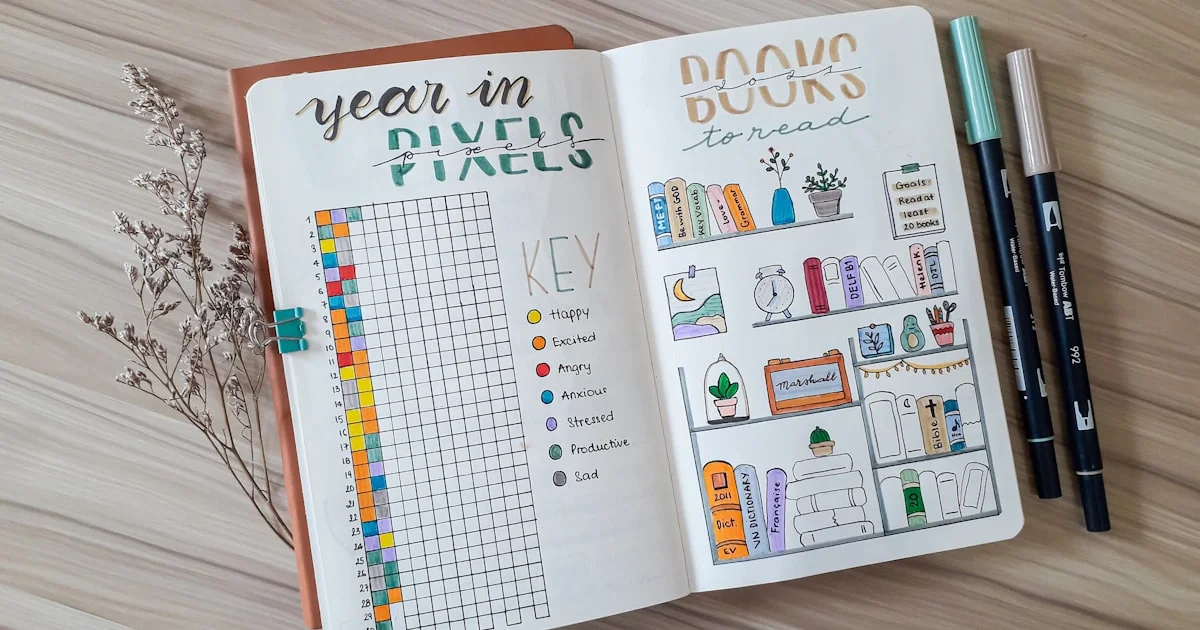
Building a new habit is hard enough without also paying a monthly fee just to track it. A good free habit tracker app can do everything most people actually need — daily check-ins, streaks, and simple reminders — without a subscription. This guide covers what to look for, how these apps compare to a paper habit tracker, and how to actually stick with one long enough to see results.
Key Takeaways
- Most people only need a handful of core features: daily check-ins, streaks, and reminders — not a complicated dashboard.
- Free habit tracker apps generally work well for tracking 1 to 10 habits before ads or limits start pushing you toward a paid tier.
- A paper or bullet journal tracker still works great for people who like writing things down by hand.
- Streaks are motivating, but missing one day should not mean starting over from zero.
- The best app is the one you will actually open every day, not the one with the most features.
Free Habit Tracker App: What to Look For
The short answer: the best free habit tracker app for most people is one with a simple daily checklist, visible streaks, gentle reminders, and no paywall blocking the habits you actually want to track. Anything beyond that — detailed analytics, custom themes, social features — is a nice bonus, not a requirement.
Habit tracking apps exist to make a repetitive task visible, so the interface matters more than most people expect. An app that takes ten taps to log one habit will get abandoned within a week, no matter how many features it has. Look for something you can open and update in a few seconds, ideally from a home screen widget or a notification.
Why People Give Up on Habit Trackers
Most people who try a habit tracker stop using it within the first month, and it is rarely because the app itself was bad. The more common problem is tracking too many habits at once, which turns a quick daily check-in into a small chore. Another common issue is treating a broken streak as a failure instead of a normal part of building any new routine, which leads people to delete the app out of frustration rather than just picking back up the next day.
Notifications can help or hurt depending on how they are set up. A single well-timed reminder tends to work better than five alerts a day, which people learn to ignore or silence entirely within a week or two.
Core Features Worth Prioritizing
Not every feature in a habit tracker app actually helps you build the habit, and after reading through more than one free habit tracking app review, the same handful of features come up again and again as the ones that actually matter.
Daily check-ins and streaks
A simple tap to mark a habit done, plus a visible streak counter, is the core loop that makes most habit trackers work. This alone covers what most people need.
Flexible scheduling
Not every habit needs to happen daily. Look for an app that supports weekly or custom schedules, so habits like “gym three times a week” do not get marked as failures on rest days.
Reminders that respect your time
Reminders should be adjustable and easy to turn off per habit, so notifications do not pile up and become background noise you tune out.
Matching an App to Your Actual Goal
The best app to build habits is not the same for everyone, since the right pick often depends on what you are actually trying to build. Someone working on fitness habits might want a tracker that connects to step counts or workout logs, while someone focused on mindfulness might prefer a tracker built around a short daily journal entry instead of a checkbox.
Fitness and health habits
Look for a tracker that supports numeric goals, like “10,000 steps” or “8 glasses of water,” rather than a simple yes-or-no checkbox, since fitness habits often work better with a target you can hit partially.
Productivity and routine habits
Habits like “no phone before 9am” or “plan tomorrow tonight” work fine with a basic checkbox tracker, since the goal is simply whether you did it, not how much.
Learning and creative habits
Habits tied to practice, like journaling or studying a language, benefit from a tracker that lets you add a short note alongside the check-in, so you can look back and see what you actually worked on.

App vs Paper: Which Habit Tracker Actually Works Better
Digital apps and paper trackers both work, and the right choice usually comes down to personal habits rather than one method being objectively better.
- Apps are faster to update, sync across devices, and can send reminders automatically.
- Paper trackers like bullet journals give a tactile, visual habit grid that some people find more satisfying to fill in by hand.
- Apps are easier to maintain while traveling since there is nothing physical to carry or forget.
- Paper trackers have zero screen time attached, which appeals to people trying to reduce phone use overall.
- Apps can back up your history automatically, while a lost notebook means losing the whole record.
How to Actually Build a Habit Tracking Routine
Picking an app is the easy part. Sticking with it takes a bit more structure.
- Start with no more than three habits, even if you eventually want to track more.
- Pick a consistent time of day to log check-ins, like right after breakfast or before bed.
- Turn on one reminder per habit at most, and adjust the time if you keep dismissing it.
- Review your streaks weekly instead of obsessing over them daily.
- If you miss a day, log it honestly and move on instead of restarting the whole streak count in your head.
Habit Tracker Comparison 2026: Free vs Paid
A quick habit tracker comparison 2026 shoppers can use: free tiers cover most everyday needs, but it helps to know what you are trading off if you stay on the free version long term.
| Version | Best For | Trade-Offs |
|---|---|---|
| Free, ad-supported app | Tracking a handful of habits with zero cost | Ads between screens, limited habit slots |
| Free, no-ads app | Minimalists who want a clean interface | Fewer customization options overall |
| Paid subscription app | Power users tracking many habits with detailed stats | Recurring monthly or yearly cost |
| Paper bullet journal | People who prefer writing things by hand | No reminders, easy to lose or forget |
Frequently Asked Questions
Here are quick answers to common questions about free habit tracker apps.
How many habits should I track at once?
Most people do best starting with one to three habits. Adding more once those feel automatic works better than starting with a long list.
Do free habit tracker apps actually work as well as paid ones?
For most people, yes. The core loop of checking off a habit and seeing a streak is usually included in the free tier of most popular apps.
What happens if I break a streak?
Nothing serious. A broken streak is a normal part of building any habit — the goal is consistency over time, not a perfect unbroken record.
Should I use an app or a paper tracker?
Whichever one you will actually use every day. Some people are far more consistent with a physical notebook than a phone app, and the reverse is just as common.
Conclusion
A free habit tracker app can absolutely help you build lasting habits, as long as you keep it simple: track a few habits, check in daily, and treat a missed day as normal rather than a failure. Whether you land on an app or a paper notebook, the format matters far less than actually opening it every day.


