

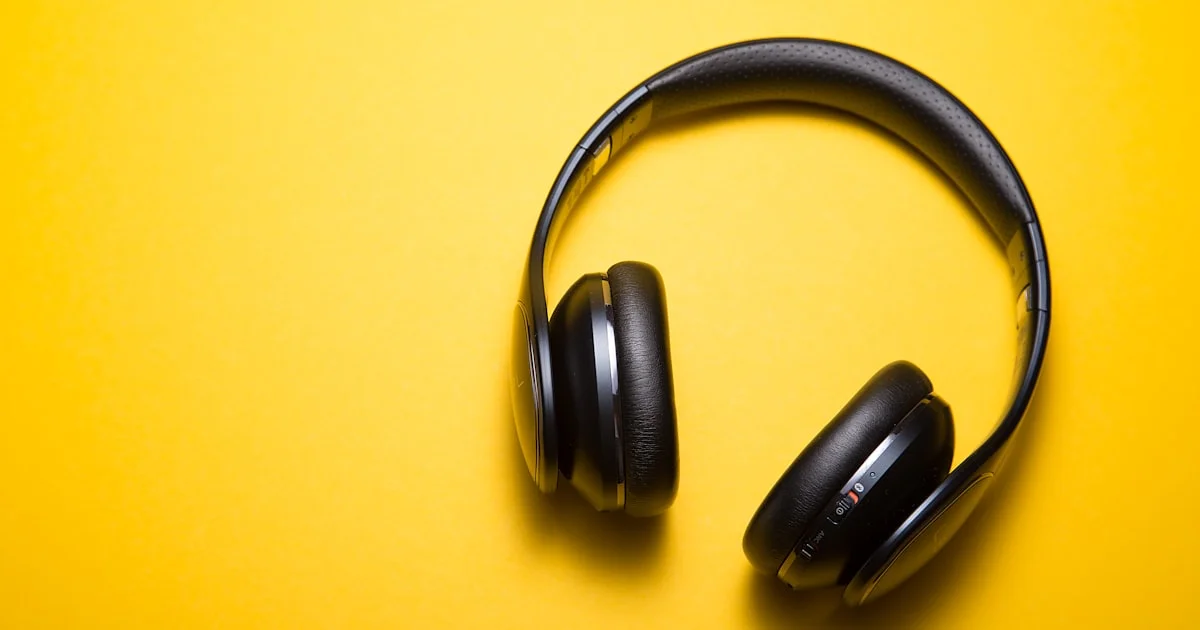
The best noise cancelling headphones under 100 will not silence a room the way flagship models do, but they handle the low steady rumble of planes, trains, and office air conditioning surprisingly well. Knowing where the compromises fall at this price is what separates a good buy from a disappointing one.
Key Takeaways
- Active noise cancellation works best on constant low-frequency sound and poorly on speech and sudden noises.
- A proper seal around your ears matters more than the ANC circuitry itself.
- Over-ear designs generally outperform on-ear ones at this price because they seal better.
- Expect trade-offs in build materials, microphone quality, and app features rather than in core sound.
- Check whether the headphones work passively with a cable when the battery dies.
What to expect from the best noise cancelling headphones under 100
The short answer: solid reduction of engine drone and fan noise, decent battery life, comfortable enough for a few hours, and honest limitations on voices and build quality.
The gap between budget and flagship ANC has narrowed considerably, but it has not closed. Where premium models use multiple microphones and sophisticated processing to adapt continuously, budget models apply a simpler, fixed approach. That works well against predictable noise and less well against anything variable.
How active noise cancellation actually works
ANC microphones sample incoming sound and the headphones generate an inverted waveform to cancel it. This is highly effective against steady, repetitive low-frequency noise — aircraft cabins, train carriages, air conditioning, road hum.
It is far less effective against higher frequencies and irregular sounds. Human speech, keyboard clicks, and door slams contain rapid variation that the system cannot predict and cancel in time. This is why an office may still feel noisy with ANC engaged even though the ventilation hum has vanished.
Passive isolation does the rest of the work. That is simply the physical seal of the earcups blocking sound, and at this price it often contributes more than the electronics do.

What budget noise cancelling headphones compromise on
Manufacturers of budget noise cancelling headphones hit a price by cutting in predictable places. Knowing where tells you what you are actually buying.
| Area | Typical compromise at this price |
|---|---|
| ANC depth | Good on low frequencies, limited on voices |
| Microphone quality | Adequate indoors, poor in wind or noise |
| Build materials | More plastic, hinges are the usual failure point |
| App features | Basic or absent EQ, limited ANC adjustment |
| Codec support | Standard codecs only |
| Earpad materials | Protein leather that cracks over time |
| Multipoint pairing | Often missing — check if you switch devices |
Note what is usually not compromised: battery life is frequently excellent at this price, and basic sound quality is generally solid. The cuts land on refinement and durability rather than on the core experience.
Warranty length is another quiet differentiator. Many budget models ship with a standard one-year warranty, though a handful extend coverage to two years as a way of signalling confidence in the electronics. A slightly longer warranty is not proof of higher quality on its own, but it does shift some of the risk back onto the manufacturer rather than onto you.
Judging ANC headphones under $100 before you buy
When comparing ANC headphones under $100, work through these in order rather than reading specification lists.
- Confirm over-ear rather than on-ear. Over-ear designs seal around the ear and isolate considerably better.
- Check clamping force. Too loose breaks the seal and ruins ANC; too tight causes headaches within an hour.
- Look for a transparency or ambient mode. Being able to hear announcements without removing the headphones is genuinely useful.
- Verify wired passive operation. A 3.5mm input means they still work when the battery is flat.
- Check the folding design. Flat-folding or collapsing matters if they live in a bag.
- Read reviews on the microphone specifically if you take calls — this is the most common weak point.
- Check earpad replaceability. Pads wear out well before the electronics fail, and replaceable pads double the useful life.
Why the seal matters more than the specifications
ANC performance collapses when the seal breaks. Glasses arms passing between the pad and your head create a gap, long hair can do the same, and pads that have flattened with age seal poorly. If a review describes weak cancellation, the cause is frequently fit rather than the electronics.
Where cheap noise cancelling headphones make sense
Buying cheap noise cancelling headphones is a sensible decision in more situations than audio enthusiasts tend to admit.
- Occasional travel — a few flights a year does not justify flagship pricing.
- Shared or high-risk environments where loss or damage is likely, such as commuting or a busy office.
- A second pair to keep in a bag or at a desk.
- Students needing focus in noisy shared spaces.
- Testing whether ANC suits you at all — some people find the pressure sensation uncomfortable.
- Background noise reduction while working, where perfect silence is not the goal.
Where budget ANC struggles is in demanding, frequent use — daily long-haul flying, professional calls in noisy environments, or open-plan offices dominated by conversation rather than machine noise.
Connection stability is worth checking too. Bluetooth interference in crowded areas — airports, conference halls, or apartment buildings dense with wifi and other devices — can cause brief dropouts on budget chipsets more often than on premium ones. A newer Bluetooth version generally copes with crowded radio environments a little better, though this matters far less to perceived sound quality than fit and seal do.
Hygiene matters more with over-ear designs than people expect, since a sealed earcup traps warmth and moisture during long wear. Look for removable, washable pads if you plan to wear the headphones daily, and give them time to air out between uses. Pads that cannot be removed tend to develop odor and lose cushioning faster, which quietly degrades the very seal that ANC performance depends on.
None of this evaluation needs to take long. A few minutes looking at product photos for earcup shape, a check of the return policy in case the fit turns out wrong for your ears, and a scan of recent reviews for complaints about clamping force will tell you more than a specification sheet ever will.
Frequently Asked Questions
These come up most often when people shop at this price point.
Will cheap ANC headphones block out people talking?
Only partially. ANC handles steady low-frequency noise well and speech poorly, because voices vary too rapidly to cancel. Passive isolation from a good earcup seal does more against conversation than the electronics do.
Does noise cancelling affect sound quality?
It can slightly, and some listeners notice a change in bass response with ANC engaged. Many models let you switch it off, and comparing both modes on your own music is the only way to know whether it bothers you.
Can I use them without the battery charged?
Only if they include a 3.5mm input for wired passive listening. Many budget models do; some are Bluetooth-only and stop working entirely when flat. Check this before buying if you fly long distances.
Why do my ears feel pressure with ANC on?
Some people perceive a sensation similar to altitude change when active cancellation is engaged. It is a known effect, not a fault, and it varies between individuals and between models. A transparency mode or switching ANC off relieves it.
Conclusion
At this price, prioritise an over-ear design with a good seal, comfortable clamping force, and a wired fallback. Expect strong performance against engine and fan noise, modest performance against voices, and put your remaining attention into comfort rather than specifications.


