

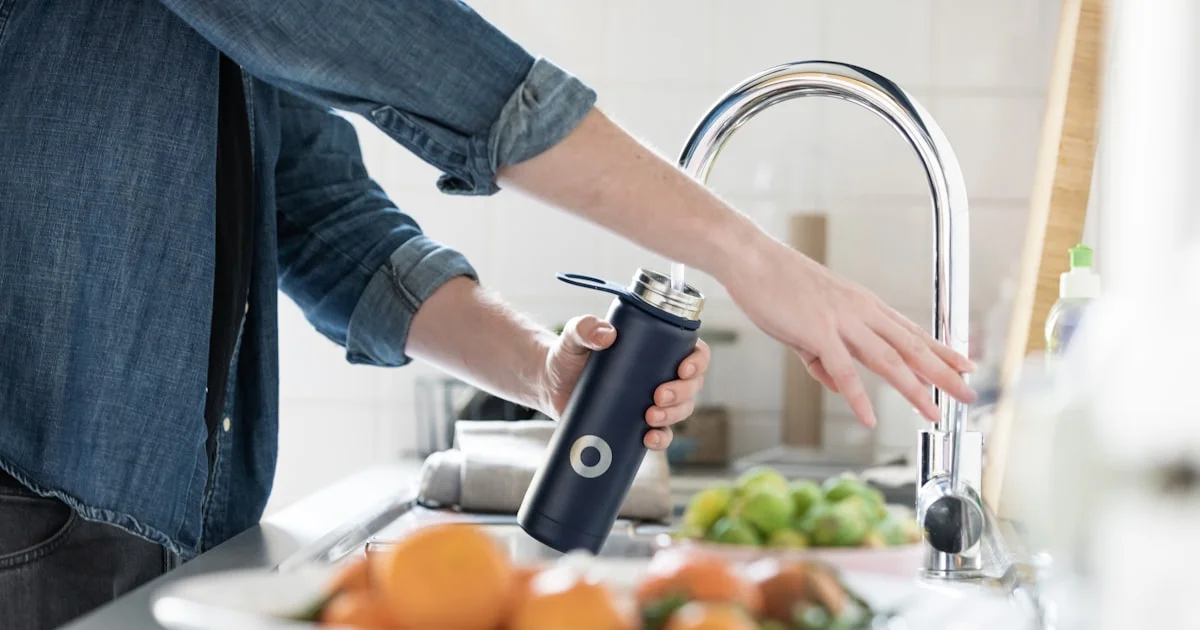
Most people have heard the advice to drink eight glasses of water a day, but that number is not based on your body, your climate, or how active you are. Knowing how much water should you drink daily actually depends on a handful of personal factors, and getting it right can affect your energy, focus, and even your workouts. This guide breaks down what real hydration guidelines say, why one-size-fits-all advice falls short, and how to build a routine that sticks without turning water into another chore on your to-do list.
Key Takeaways
- General guidelines suggest roughly 11.5 cups a day for women and 15.5 cups for men, including water from food and other drinks.
- Body weight, activity level, climate, and overall health all shift your personal water needs up or down.
- Thirst, urine color, and energy levels are simple daily signals that you can check without any gadgets.
- Hydration tracking apps and marked water bottles make it easier to build a consistent habit.
- You can overhydrate, though it is rare for most healthy adults drinking water at a normal pace.
How Much Water Should You Drink Daily?
The short answer to how much water should you drink daily: most healthy adults need somewhere between 8 and 12 cups of fluid a day, with the exact number depending on body size, activity, and climate. The commonly cited “8×8 rule” — eight 8-ounce glasses — is a reasonable starting point for an average adult in a mild climate with a normal activity level, but it is not a hard medical target.
Health organizations generally frame daily fluid needs as a range rather than a single number, and that range already includes water from food, coffee, tea, and other beverages, not just plain water from a glass or bottle. Someone who exercises heavily, lives somewhere hot, or is pregnant or breastfeeding typically needs more than someone who is mostly sedentary in a cool climate.
What Actually Changes Your Water Needs
A single daily number cannot account for how differently people live, so it helps to look at the factors that push your needs higher or lower.
Body size and composition
Larger bodies generally need more water to support blood volume, temperature regulation, and organ function, which is part of why hydration guidelines are often given as a range instead of one fixed amount.
Activity level and climate
Sweating during exercise or in hot, humid weather increases fluid loss significantly, so both workouts and warm climates raise your daily water needs above baseline.
Diet and other beverages
Water-rich foods like fruits, vegetables, and soups all count toward hydration, and drinks like coffee and tea contribute fluid too, even though caffeine has a mild diuretic effect.
Signs You Are Not Drinking Enough
Your body gives fairly clear signals when fluid intake is falling behind, and learning to notice them is more useful day to day than obsessing over an exact cup count.
- Dark yellow urine instead of pale yellow or clear.
- Feeling thirsty, which is already a sign you are somewhat behind on fluids.
- Headaches or unusual fatigue, especially after exercise or heat exposure.
- Dry mouth, dry skin, or noticeably reduced urination.
- Trouble concentrating or a short temper for no clear reason.
How to Build a Hydration Habit That Actually Sticks
Knowing the target number matters less than building a habit you will actually keep up with. A few simple tools and low-effort changes tend to work better than strict rules.
Best hydration tracking apps
A best hydration tracking app pick usually comes down to whichever one makes logging a glass of water take a single tap, with a visible daily progress bar so you can see where you stand at a glance without doing any mental math.
Daily water intake calculator
A daily water intake calculator uses your weight, activity level, and sometimes climate to suggest a personalized target instead of a flat number. These calculators are a helpful starting point, though they should be treated as an estimate, not a strict prescription.
Smart water bottle reminder
A smart water bottle reminder — either a glowing bottle or a phone notification tied to a connected bottle — nudges you to drink at set intervals throughout the day, which helps people who tend to forget entirely rather than those who just need motivation.
Beyond picking a tool, a few simple habits make the biggest difference day to day:
- Keep a reusable water bottle within sight at your desk, in your bag, or in the car.
- Drink a glass of water with each meal instead of trying to remember it separately.
- Use a tracking app or a bottle with time markings to build awareness without extra effort.
- Set a small refill goal, like finishing your bottle twice by lunchtime.
- Flavor plain water with fruit slices if plain water feels boring, rather than switching to sugary drinks.

Hydration Myths Worth Retiring
A lot of hydration advice repeated online is oversimplified or outdated, and clearing up a few common myths makes it easier to build a routine that actually fits your life.
“Everyone needs exactly 8 glasses a day”
This number is easy to remember, which is probably why it stuck, but it was never meant to apply equally to a sedentary office worker and a marathon runner in summer heat. Treat it as a rough starting point, not a strict rule.
“If you feel thirsty, it’s already too late”
Thirst is a normal, functional signal, not a sign that something has gone wrong. For most healthy adults going about ordinary daily activity, drinking when thirsty is a perfectly reliable way to stay hydrated.
“Clear urine means perfect hydration”
Very pale or completely clear urine can simply mean you are drinking more than your body needs at that moment. Pale yellow, not completely clear, is the more realistic target for well-hydrated urine color.
Can You Drink Too Much Water?
Overhydration, known medically as hyponatremia, happens when you drink so much water that it dilutes the sodium in your blood. It is uncommon in everyday life and mostly shows up in endurance athletes who drink large volumes of plain water during long events without replacing electrolytes. For most people going about a normal day, thirst and the habits above are enough to stay in a safe, healthy range without any risk of overdoing it.
Hydration Habits Compared
There is no single best way to stay hydrated — the right approach depends on your schedule, budget, and how much you enjoy tracking details.
| Method | Best For | Trade-Offs |
|---|---|---|
| Marked reusable bottle | People who want a simple visual reminder | Relies on you remembering to refill it |
| Hydration tracking app | People who like data and daily goals | Requires manually logging drinks each time |
| Smart water bottle with reminders | People who forget to drink without a nudge | Higher upfront cost than a basic bottle |
| Meal-based habit (drink with meals) | People who want zero extra effort | May not be enough on hot or active days |
Frequently Asked Questions
Here are quick answers to common questions about daily water intake.
Do coffee and tea count toward daily water intake?
Yes. Coffee and tea contribute fluid to your daily total, even though caffeine has a mild diuretic effect that slightly increases fluid loss.
Is it better to drink water throughout the day or all at once?
Spreading fluid intake throughout the day is generally easier on your body and easier to sustain than drinking a large amount in one sitting.
Does exercise really change how much water I need?
Yes, noticeably. Sweat losses during exercise can be significant, so most people need extra fluid before, during, and after a workout.
What is the easiest way to know if I am drinking enough?
Check your urine color. Pale yellow generally signals good hydration, while dark yellow suggests you should drink more.
Conclusion
There is no single perfect number for daily water intake, but a general range of 8 to 12 cups, adjusted for your body, activity, and climate, works well for most healthy adults. Pay attention to your body’s signals, build a simple daily habit like drinking a glass with every meal, and hydration stops being something you have to think hard about or track down to the last ounce.


