

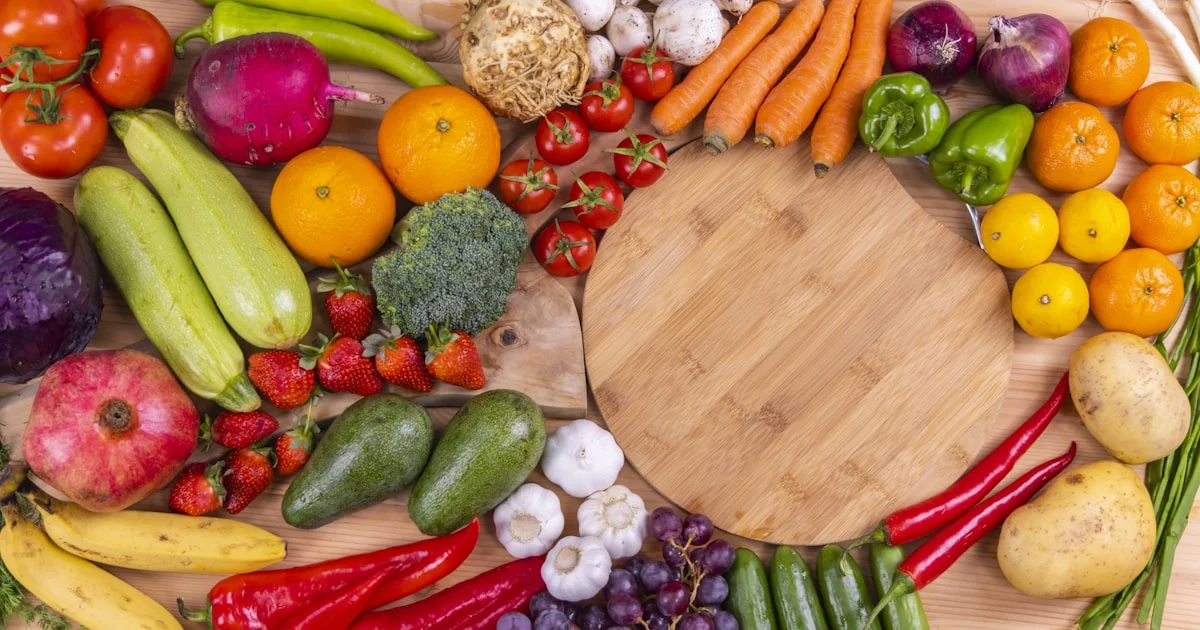
Cold and flu season always seems to catch someone at the office off guard, and you would rather it not be you. While no food can replace sleep, vaccines, or a doctor’s advice, the best foods to boost immune system naturally give your body the raw materials it needs to defend itself — vitamins, minerals, and compounds that support the cells doing the actual work. This guide walks through which foods matter most, why, and how to fit them into a normal American diet without a complete overhaul.
Key Takeaways
- Vitamin C from citrus, peppers, and berries supports white blood cell function, but more is not automatically better once you are past a normal intake.
- Zinc-rich foods like beans, nuts, and lean meats help immune cells communicate and respond to threats.
- Fermented foods support gut bacteria, and a healthy gut plays a bigger role in immunity than most people realize.
- Colorful fruits and vegetables provide antioxidants that reduce the inflammation that can wear down immune defenses over time.
- Consistency matters more than any single “superfood” — a steady pattern of good meals beats an occasional immune-boosting smoothie.
Best Foods to Boost Immune System Naturally: The Short Answer
The short answer: a mix of vitamin C-rich fruits, zinc-containing proteins, fermented foods for gut health, and colorful vegetables covers most of what nutrition science currently supports for immune function. No single food acts like a switch that turns immunity on. Instead, think of it as stocking a toolbox — vitamin C, zinc, vitamin D, and antioxidants each play a specific supporting role, and skipping one for weeks at a time is where most people run into trouble.
This is general nutrition information, not medical advice. If you have a chronic condition, are pregnant, or take medication that interacts with certain foods or supplements, check with a doctor before making major dietary changes.
Vitamin C Rich Foods for Immune Support
Finding the vitamin c foods for immunity that fit your routine is easier than most people assume — oranges get the spotlight, but red bell peppers actually contain more vitamin C per serving. Citrus fruits like oranges, grapefruit, and lemons remain reliable, convenient sources, especially since they need no preparation beyond peeling or slicing.
Beyond Citrus
Strawberries, kiwi, broccoli, and Brussels sprouts all carry meaningful vitamin C as well. Spreading your intake across a few different foods each week is more sustainable than relying on orange juice alone, which can also carry more sugar than a piece of whole fruit.
Vitamin C supports the production and function of white blood cells, the cells responsible for identifying and fighting off pathogens. Most adults get enough from food alone; supplements mainly help people who are deficient rather than boosting an already-adequate intake further.
Zinc and Mineral Rich Foods That Support Immunity
Zinc is easy to overlook because it does not get the same attention as vitamin C, but it plays a direct role in how immune cells develop and communicate. Good sources include lean beef, poultry, beans, chickpeas, cashews, and pumpkin seeds.
- Lean beef and poultry: highly absorbable zinc, plus protein for overall recovery.
- Beans and chickpeas: a solid plant-based zinc source, especially useful for vegetarian diets.
- Pumpkin seeds and cashews: an easy snack option that also delivers healthy fats.
Selenium, found in Brazil nuts, tuna, and eggs, works alongside zinc to support immune cell activity. You do not need to eat all of these daily — rotating through a handful of these foods across a normal week covers most people’s needs.
Probiotic and Gut Health Foods
A large share of your immune system lives in and around your gut, which is why fermented foods have become a bigger part of immune-focused nutrition advice in recent years. Yogurt with live active cultures, kefir, sauerkraut, and kimchi introduce beneficial bacteria that support the gut lining and help regulate immune responses.
Feeding the Bacteria You Already Have
Probiotic foods work best alongside prebiotic fiber — found in foods like garlic, onions, oats, and bananas — which feeds the beneficial bacteria already living in your gut. Pairing a fermented food with a fiber-rich side, like kimchi alongside brown rice, supports this relationship without requiring separate supplements.
Anti-Inflammatory and Antioxidant-Rich Foods
Chronic, low-grade inflammation can wear down immune defenses over months and years. Colorful fruits and vegetables — berries, leafy greens, tomatoes, and sweet potatoes — carry antioxidants that help counter this process. Fatty fish like salmon and sardines add omega-3 fatty acids, which also support a healthy inflammatory response.
Turmeric and ginger show up often in immune-focused recipes for a reason: both contain compounds studied for anti-inflammatory effects, and both are easy to add to soups, stir-fries, and teas without changing your diet dramatically.
Daily Habits and Natural Immunity Boosters Beyond Food
Following natural immunity booster tips means looking past your plate, too. Sleep, hydration, and movement affect immune function as much as diet does, and skipping them undermines even a well-planned menu.
- Aim for seven to nine hours of sleep — immune cell production and regulation both dip noticeably after repeated short nights.
- Stay hydrated throughout the day, since dehydration can thicken mucus membranes that normally trap pathogens.
- Get regular moderate exercise, which has been linked to better immune surveillance than either a sedentary lifestyle or extreme overtraining.
- Manage stress where you can — chronic stress hormones can suppress immune response over time.
If you are considering supplements, an immune boosting supplements guide should start with a basic multivitamin or vitamin D supplement, since vitamin D deficiency is common in the United States, especially during winter months with less sun exposure. Talk to a doctor before adding anything beyond a standard multivitamin.
Comparing Immune-Supporting Food Groups
| Food Group | Best For | Practical Note |
|---|---|---|
| Citrus and peppers (vitamin C) | Easy daily inclusion, low prep | Whole fruit beats juice for sugar content |
| Lean meats and legumes (zinc) | Long-term immune cell support | Plant sources need larger portions for equal zinc |
| Fermented foods (probiotics) | Gut and immune system connection | Look for “live active cultures” on the label |
| Colorful produce (antioxidants) | Reducing chronic inflammation | Variety matters more than any single vegetable |
| Fatty fish (omega-3s) | Inflammatory balance | Aim for two servings a week if diet allows |

Frequently Asked Questions
Here are answers to the questions people ask most often about eating for immune health.
Can food alone prevent colds and flu?
No single food or diet can guarantee you avoid getting sick. Good nutrition supports your immune system’s overall ability to respond, but it works alongside sleep, hygiene, vaccination, and avoiding exposure — not as a replacement for any of them.
Do I need supplements if I eat a balanced diet?
Most people who eat a varied diet with fruits, vegetables, lean protein, and whole grains do not need extra supplements beyond possibly vitamin D, especially in winter. Supplements help most when they correct an actual deficiency rather than adding to an already sufficient diet.
Is orange juice as good as eating an orange?
Whole oranges deliver similar vitamin C along with fiber that slows sugar absorption. Juice concentrates the sugar without that fiber, so whole fruit is generally the better everyday choice, with juice as an occasional option.
How quickly can diet changes affect immunity?
Some effects, like better hydration or reduced inflammation from cutting processed food, can show up within days to weeks. Deeper changes, like gut bacteria diversity from regular fermented food intake, tend to build gradually over several weeks of consistent habits.
Conclusion
Boosting your immune system naturally is less about finding one magic food and more about consistently covering the basics: vitamin C, zinc, gut-friendly fermented foods, and colorful produce, paired with enough sleep and water. Start by adding one or two of these foods to meals you already eat, then build from there. Small, steady changes tend to stick far longer than a dramatic diet overhaul.


